Astaxanthins free radical-scavenging capacity (as defined by its Oxygen Radical Absorbance Capacity, or ORAC value) is one of the most potent of all the antioxidants, having been shown to be 6000x more than vitamin C, 800x more than coenzyme Q10, 550x more than vitamin E, 200x more than polyphenols and 75x more than alpha lipoic acid, making it a valuable addition to other essential antioxidant intake
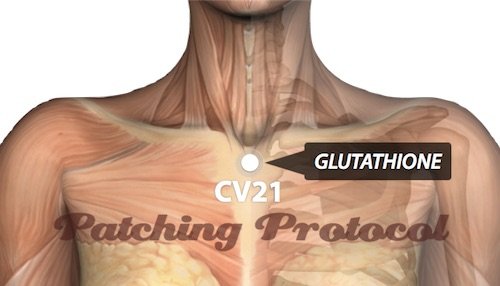
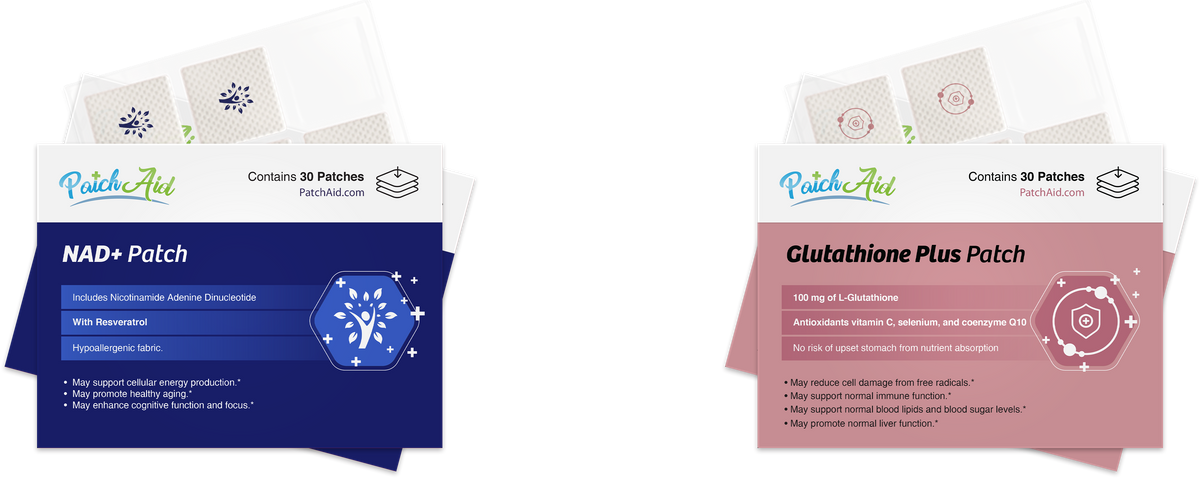
Glutathione has many important functions, including: making DNA, the building blocks of proteins and cells supporting immune function breaking down some free radicals helping certain enzymes function regenerating vitamins C and E assisting regular cell death (a process known as apoptosis) It also helpsthe liver and gallbladder deal with fats Researchers have found links between low levels of glutathione and some diseases
PQQ is a B vitamin-related water-soluble, thermally stable redox coenzyme with a relative molecular mass of 330.2 and a molecular formula of C 14 H 6 N 2 O 8 that is highly abundant in bacteria, plants, and animals wherein it can be found in both reduced and oxidized forms (Kumazawa et al., 1995)
Side effects are mainly seen with IV glutathione and include potential damage to kidneys, liver & thyroid