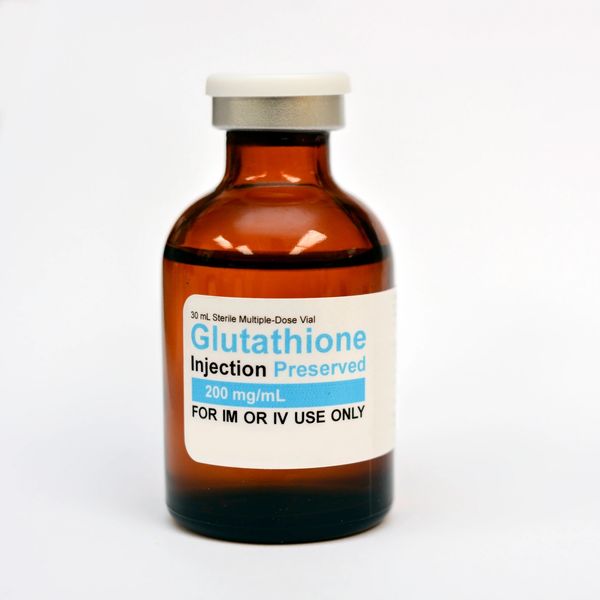
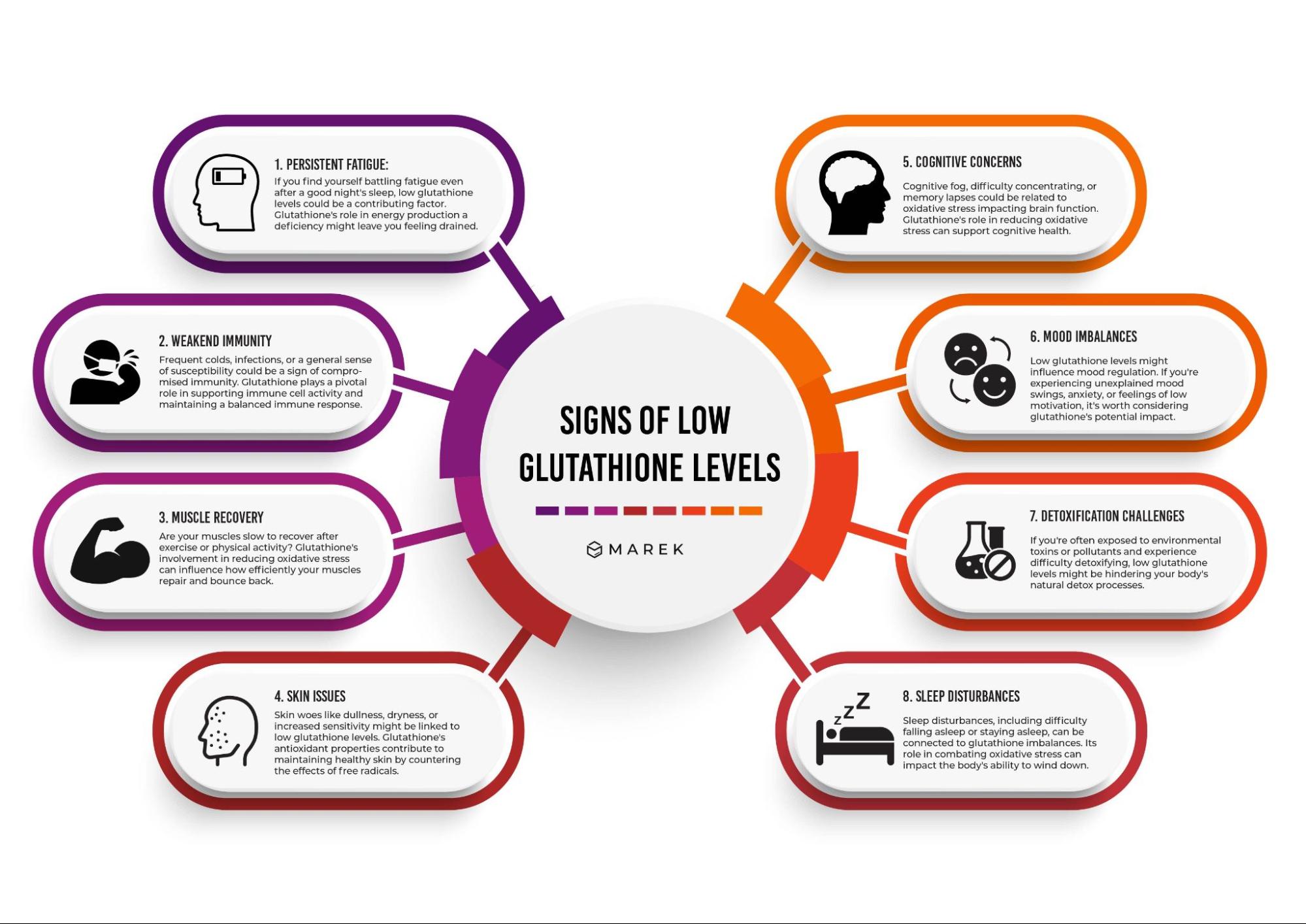
Glutathione plays a variety of roles in the body, including: regenerating other antioxidants (e.g., vitamin C, vitamin E) neutralizing free radicals detoxification of certain drugs regulating the immune system managing inflammation supporting various bodily systems (e.g., nervous system, pulmonary system) delaying cell aging Glutathione depletion is also linked to numerous health issues, including increased susceptibility to infectious diseases and illnesses, oxidative stress, and certain chronic diseases, such as type 2 diabetes, certain types of cancer, kidney disease, neurodegenerative disease, liver disease, and cardiovascular disease ( 1 , 2 )
Notably, the depletion of Clostridium clusters IV/XIVa and butyrate-producing taxa is closely linked to impaired gut barrier function and -cell autoimmunity, laying the foundation for the core regulatory role of Clostridium and butyrate in T1D
Thrombotic microangiopathy
It helps neutralize free radicals, boosts immunity, supports neurotransmitter production, and combats inflammation